 مصنع رونغ شنغ للحراريات
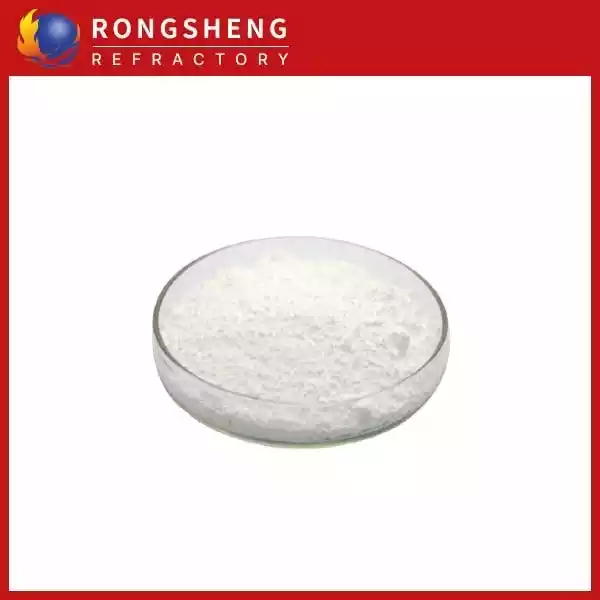
زركونيا, also known as ZrO2, is an inorganic non-metallic material that is resistant to high temperatures, تآكل, and wear, and has excellent electrical conductivity. In addition to its traditional applications in refractory materials and ceramic pigments, ZrO2 is also used in high-tech fields such as electronic ceramics, السيراميك الوظيفي, والسيراميك الهيكلي.
Zirconia powder introduction
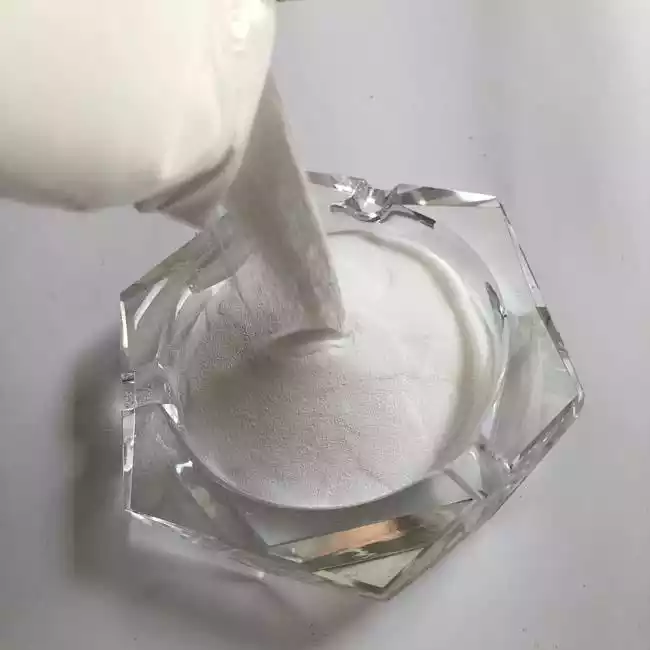
مسحوق الزركونيا (ZrO₂) is a functional ceramic material with high melting point, قوة عالية, high toughness, and excellent chemical stability.
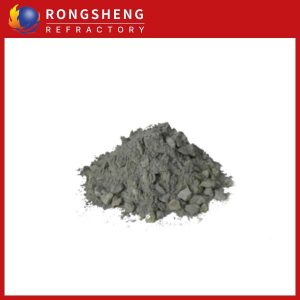
As one of the most important basic raw materials for advanced ceramics, zirconium oxide is widely used in high-end fields such as structural ceramics, oxygen sensors, fuel cells, electrode coatings, and optical coatings due to its excellent mechanical properties and ionic conductivity. Zirconia powder is a white to light gray powder that can exist in monoclinic, tetragonal, or cubic crystal structures.
With a melting point as high as 2715°C, and possessing both hardness and strength, it is known as “ceramic steel.”
It is prepared using chemical co-precipitation or hydrolysis methods, resulting in powders with high purity and excellent dispersibility.
Physical and chemical characteristics of zirconium oxide powder
(1) Polycrystalline ultrafine zirconium dioxide powder, yttrium stabilized
| موضوع | تصنيف | ||
| 3YZ-TPZ | 5YZ-TPZ | 8YZ-TPZ | |
| ZrO2 نسبة الوزن | 84.3~84.7 | 90.6~91.0 | 86~86.4 |
| ي2ا3 نسبة الوزن | 5.18~5.22 | 8.6~9.0 | 13.3~13.7 |
| ال2ا3 جزء في المليون | <100 | 0.05~0.45(نسبة الوزن) | 0.05~0.45(نسبة الوزن) |
| Fe2ا3 جزء في المليون | <50 | <50 | <50 |
| SiO2 جزء في المليون | <200 | <200 | <200 |
| TiO2 جزء في المليون | <50 | <50 | <50 |
| Already2O ppm | <50 | <50 | <50 |
| ك2O ppm | <100 | <100 | <100 |
| CeO ppm | <100 | <100 | <100 |
| MgO ppm | <100 | <100 | <100 |
| Cr ppm | <500 | <500 | <500 |
| BET m2/ز | 5~30 | 10~32 | 10~32 |
| Detail level D50 μm | <0.5 | ||
| الرقم الهيدروجيني | 6.5 | ||
| Apparent density, جم/سم3 | 1.15~1.25 | ||
(2) Partially stabilized zirconia (PSZ) وأكسيد الألومنيوم, reinforced with zirconia (ZTA)
| موضوع | تخصيص | |||
| Ce13 | سي 85 | ZTA20 | ZTA30 | |
| ZrO2 نسبة الوزن | 86~88 | 13.5~14.5 | 18~20 | 27.4~29.4 |
| ي2ا3 نسبة الوزن | / | / | 1~1.2 | 1.4~1.6 |
| CaO % | <0.01 | |||
| MgO % | <0.01 | |||
| المدير التنفيذي2 % | 12~14 | 84.5~85.5 | / | / |
| ال2ا3 % | <0.01 | 79.5~80.5 | 69.5~70.5 | |
| SiO2 % | <0.015 | |||
| Fe2ا3 % | <0.002 | |||
| TiO2 % | <0.005 | |||
| Already2ا % | <0.001 | |||
| سجل تجاري % | <0.02 | |||
| D50 μm | 0.5~1 | |||
| لمعان % | <1.0 | |||
(3) Ultrafine high purity zirconium powder
| غرض | تخصيص |
| ZrO2 نسبة الوزن | ≥99.7 |
| ي2ا3 نسبة الوزن | / |
| ال2ا3 جزء في المليون | <100 |
| Fe2ا3 جزء في المليون | <50 |
| SiO2 جزء في المليون | <200 |
| TiO2 جزء في المليون | <100 |
| Already2O ppm | <50 |
| ك2O ppm | <100 |
| CeO ppm | <100 |
| MgO ppm | <100 |
| Cr ppm | <500 |
| BET m2/ز | 5~15 |
| Detail level D50 μm | <0.5 |
| الرقم الهيدروجيني | 6.5 |
| Apparent density, جم/سم3 | 0.5~1.0 |
Main characteristics of ZrO2 powder
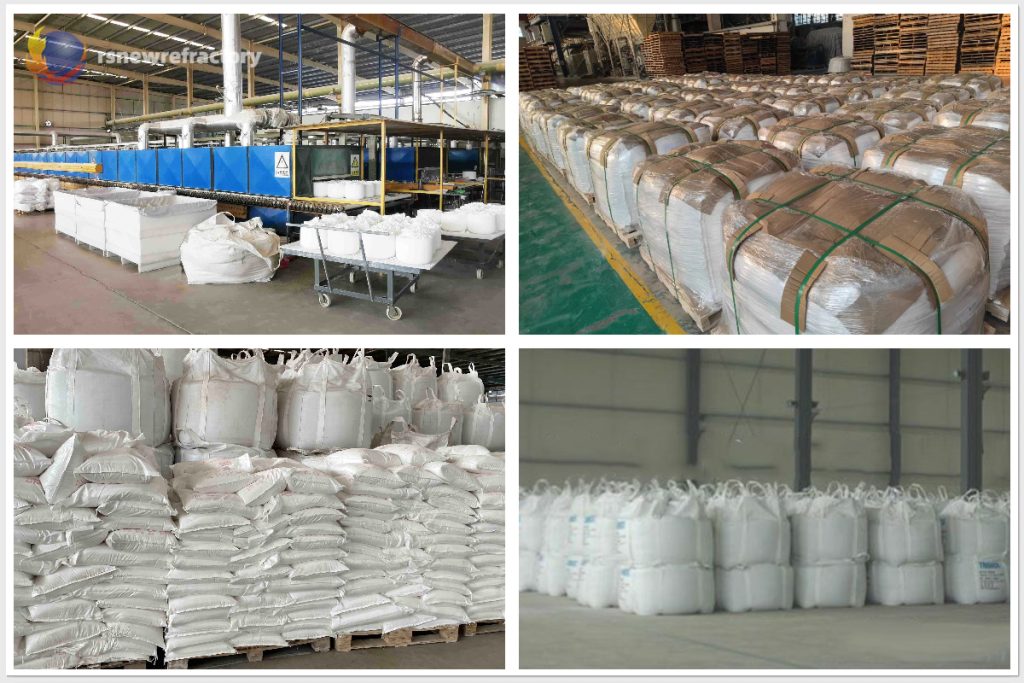
High hardness and high toughness: excellent fracture resistance;
High melting point (2715درجة مئوية): استقرار حراري ممتاز;
Good chemical inertness: resistant to acids, alkalis and high-temperature corrosion;
Low thermal conductivity and high dielectric strength;
Can be doped for stability (Y₂O₃, CaO, MgO, إلخ.)
Zirconia powder application
- Used in the manufacture of metallic zirconium and zirconium compounds, refractory bricks and crucibles, high-frequency ceramics, abrasive materials, ceramic pigments, and zirconates.
- It can be used as a highly efficient high-temperature insulation and refractory material.
- It can be used in the manufacture of structural ceramics and functional ceramics, as well as artificial gemstones.
- It is used as a high-purity reagent and a light source for infrared spectral bands, and also in the preparation of high-purity zirconium salts.
- It is also used in the production of steel and non-ferrous metals, الزجاج البصري, and zirconium dioxide fibers. It is also used in ceramic pigments, electrostatic coatings, and baking varnishes. In epoxy resins, it can increase resistance to corrosion from hot salt water.
- It is used in the atomic energy industry, defense industry, electronic components, ceramic colorants, and high-temperature resistant materials.
WeChat
امسح رمز الاستجابة السريعة باستخدام wechat